The gap is not production.
It is verifiable origin.
POINT bridges physical first-mile collection with global trading desks. Capture offline polygon GPS boundaries, compile audit-ready customs dossiers, and guarantee unbroken chain of custody before vessels sail.

The difference between commodity delays and institutional clearance.
In global commodity trade, physical production is only half the battle. Without verifiable first-mile chain of custody, compliant harvests face port holds and discount penalties.
Fragmented Paper & Secondary Brokers
Manual certificates, disconnected weighbridge slips, and secondary intermediaries isolate producers and force global buyers to reconstruct messy evidence under customs pressure.
Cryptographic First-Mile Infrastructure
A unified digital bridge connecting farm-gate collection with global trade desks. Offline polygon records reconcile automatically into audit-ready statutory dossiers before vessels sail.
Commodities
From farm-gate polygons and artisanal concessions to container vessels heading for global ports — continuous origin verifiability across key agricultural and mineral corridors.



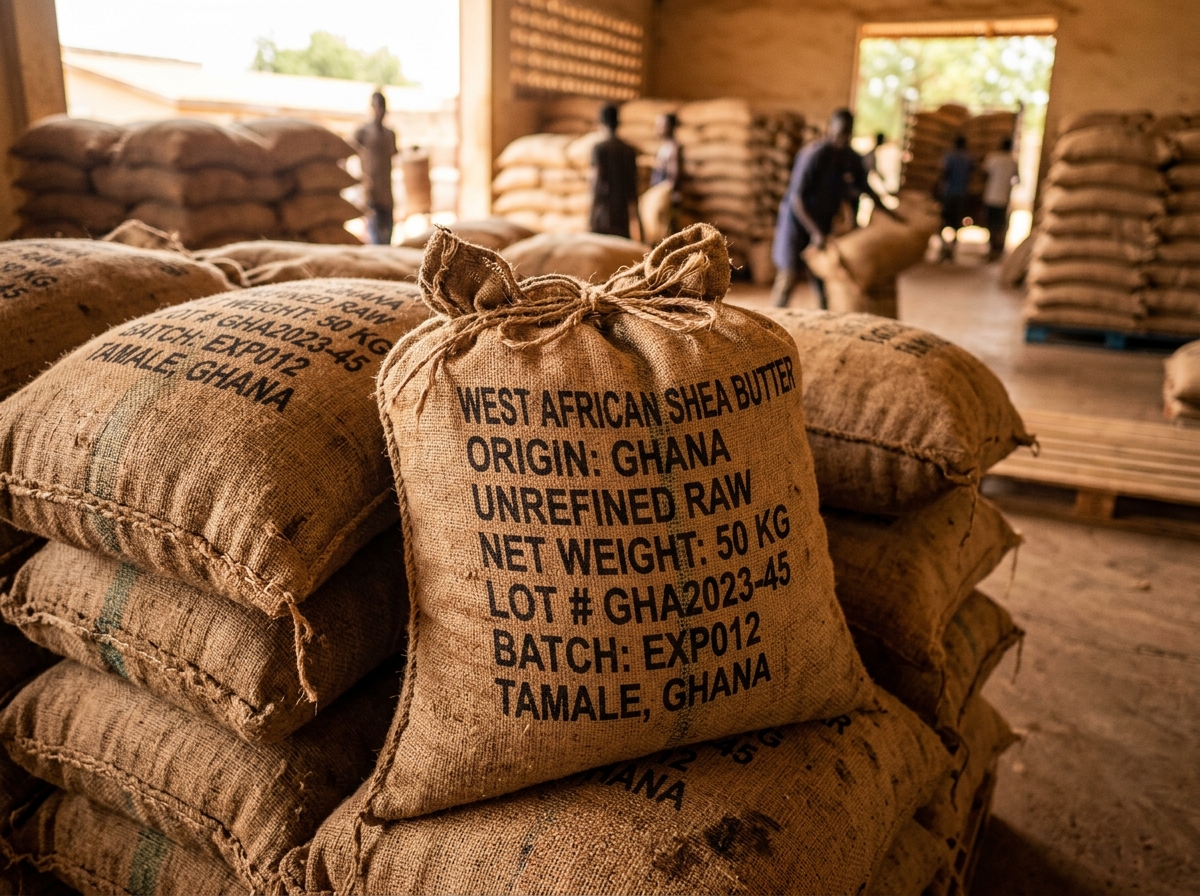


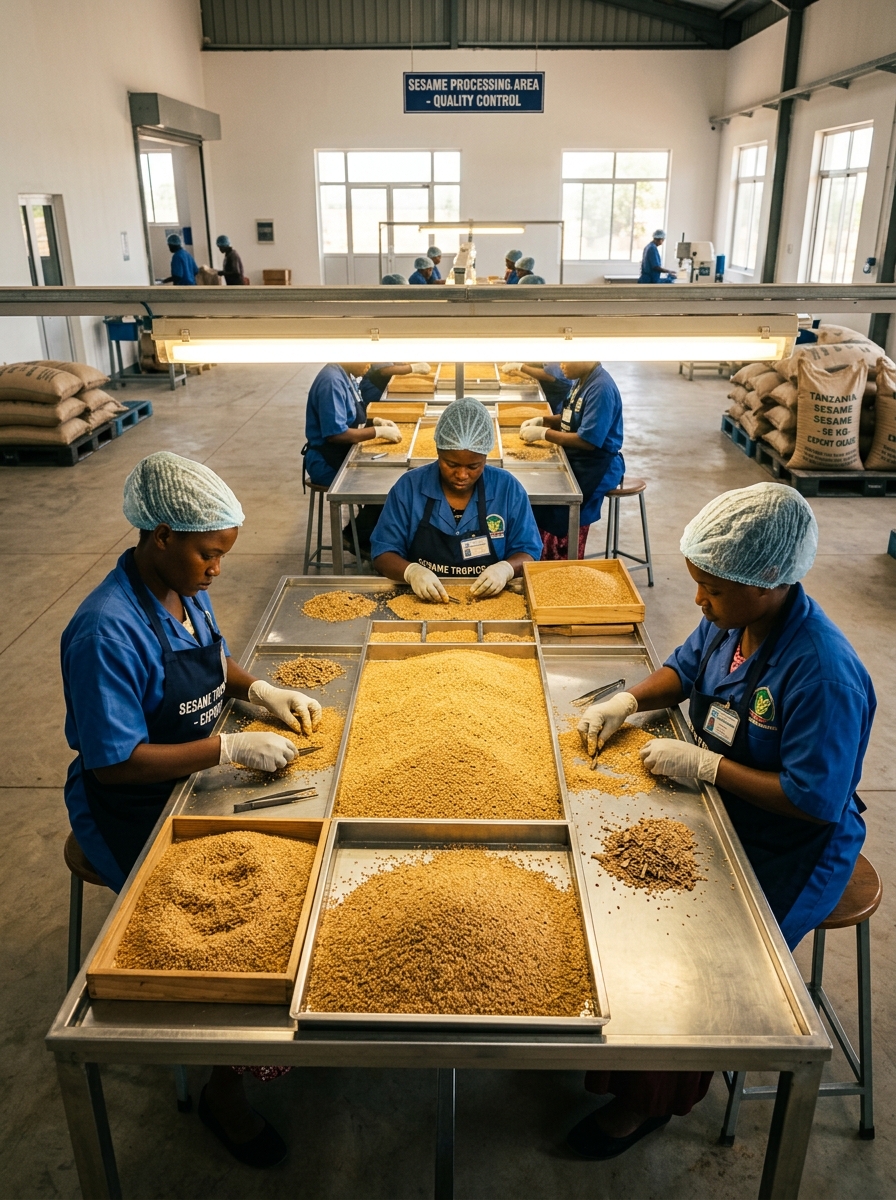
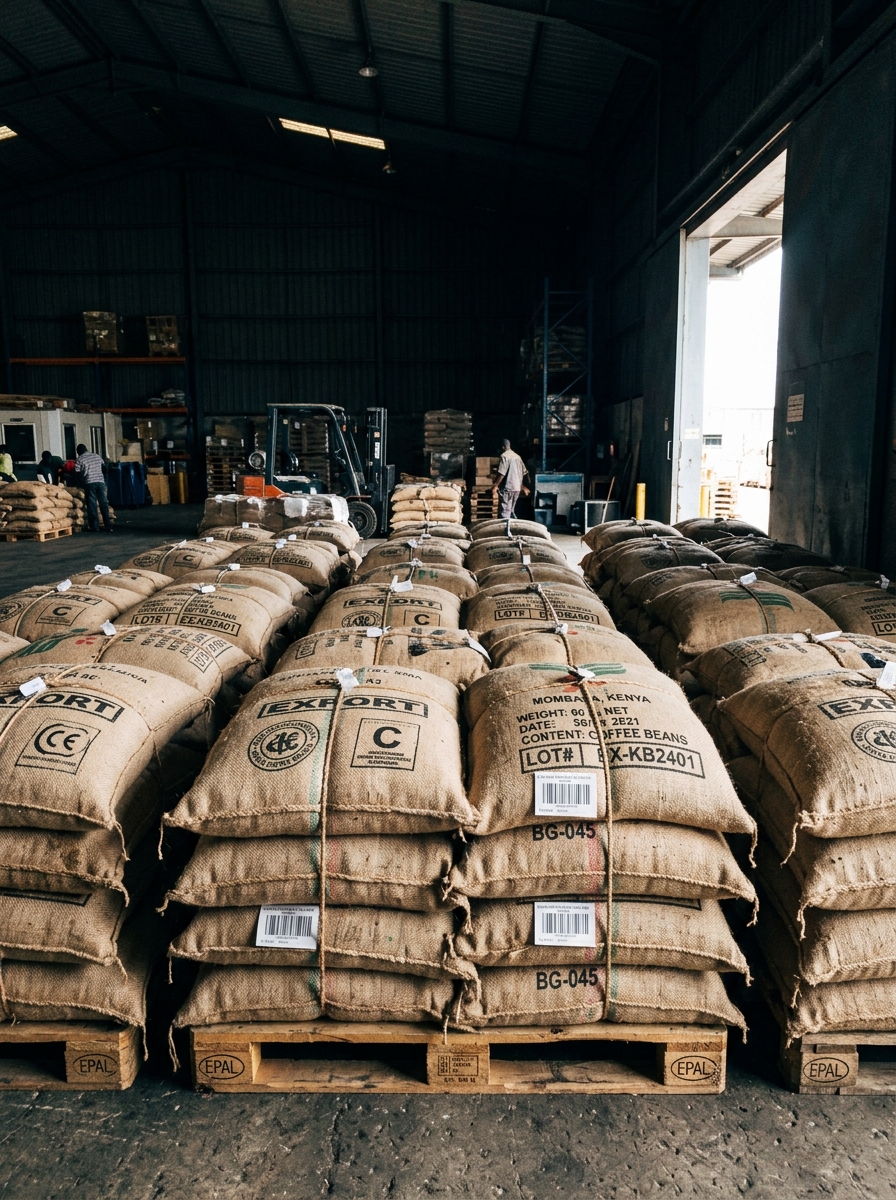
Full chain of custody across
priority export commodities
From first-mile GPS polygon mapping to port-of-discharge due diligence packs, POINT equips exporters and global buyers with verifiable provenance and end-to-end regulatory compliance.
Cocoa & Coffee
Farm-gate plot mapping and comprehensive due diligence packs for European, UK, and North American ports of discharge.
From first-mile harvest to verified port clearance.
A continuous, cryptographic verification architecture engineered for exporters who cannot afford border delays, demurrage costs, or documentation disputes.
Register & Map Plots
Exporters map farmer plots and concessions with verified polygon GPS. Legal land titles, cooperative rosters, and farmer IDs are validated prior to harvest.
Offline First-Mile Intake
Field agents capture batch weights, moisture readings, and custody handoffs offline. Cryptographic hashes seal each intake event at the aggregation point.
Compile Statutory Dossiers
POINT auto-generates regulatory packs — EUDR deforestation statements, OECD due diligence, and phytosanitary certificates — tied to container IDs.
Vessel Inspection & Seal
Container sealing and customs verification occur before departure. Counterparties audit tamper-proof chain of custody while cargo is in transit.
Destination Port Clearance
Consignments clear destination customs immediately upon vessel docking with pre-verified statutory dossiers. Importers receive audit-ready cargo with zero dispute.
Engineered for origin realities. Trusted by global buyers.
POINT was built inside the physical commodity corridors of West and Central Africa — bridging origin logistics with institutional compliance.
Command Direct Buyer Premiums
Exporters with cryptographically verified chain of custody bypass secondary brokers and contract directly with tier-one European buyers at 8–15% premiums.
Zero Border Hold Risk
Pre-cleared customs dossiers and audit-ready attestation packs eliminate destination port rejections, vessel demurrage costs, and transit disputes.
Immutable Chain of Custody
Blockchain-anchored batch records — from farm gate to shipping container — cannot be altered, fabricated, or retrospectively manipulated.
Accelerated Customs Clearance
Pre-verified consignments satisfy European and global import due diligence protocols prior to vessel departure — eliminating demurrage costs and transit disputes.
Offline-First Field Resilience
Field agents in remote concessions and agricultural belts capture high-precision GPS polygons with zero connectivity. Data syncs automatically on reconnect.
Single Audit-Ready Dossier
International trading houses receive a single, cryptographically authenticated provenance pack — replacing 40 pages of fragmented paperwork across multiple agencies.
Every major trade mandate. One unified verification layer.
POINT is purpose-built for the global regulatory stack that governs commodity exports — automating statutory evidence generation directly from first-mile intake.
Mandatory plot polygon geolocation and deforestation cutoff verification (Dec 31, 2020) for cocoa, coffee, rubber, and timber imports.
UK Environment Act requires commercial supply chains to prove commodities were produced on legally owned land without illegal clearance.
Chain of custody and upstream smelter tracking for tin, tantalum, tungsten, and gold (3TG) plus lithium and cobalt extraction zones.
Rigorous chain-of-custody documentation tracing raw material origin, wage records, and transport logistics to negate presumption of forced labor.
Comprehensive adverse impact mapping across direct suppliers and first-mile aggregators throughout global agricultural and mineral value chains.
London Bullion Market Association standard for conflict-free, responsibly sourced gold from mining operations through to Good Delivery refiners.
Frequently asked questions.
Direct questions regarding trade corridors, statutory compliance protocols, or enterprise financing integrations.
Talk to our team →Field agents and cooperative managers capture GPS polygon boundaries, farmer identities, batch weights, and moisture readings using offline-capable mobile devices. Each intake event is cryptographically hashed at the local aggregation center before transit to port.
Yes. The field ingestion client is 100% offline-first. It validates GPS accuracy and polygon closure locally, encrypts the transaction package on-device, and automatically reconciles with the distributed ledger the moment the handset detects network connectivity.
POINT automatically compiles statutory due diligence dossiers directly from plot-level polygon records and physical weighbridge data. Destination customs desks receive audit-ready compliance packages mapped to exact container and bill-of-lading numbers before the vessel docks.
Customs authorities in importing ports enforce strict due diligence mandates like EUDR and UKDR. POINT's tamper-proof polygon chain of custody provides the pre-compiled proof required to clear cargo immediately upon arrival, avoiding demurrage and border hold-ups.
Current deployment covers agricultural exports (cocoa, cashew, sesame, shea butter, coffee, timber) and critical minerals (lithium, cobalt, gold, iron ore) across West and Central African trade corridors supplying Europe, the UK, Asia, and North America.
A typical cooperative or concession onboarding cycle takes 10 to 14 business days. This includes field agent training, polygon boundary calibration, and integration with the exporter's existing ERP or logistics software.
Ready to export with total certainty?
Join exporters and multinational trade desks executing verifiable, EUDR-ready commodity contracts with automated regulatory clearance and zero customs hold-ups.